Places in Sintra
Each page tells you what it costs, when it opens, and how to get there. More pages are added as they're checked.
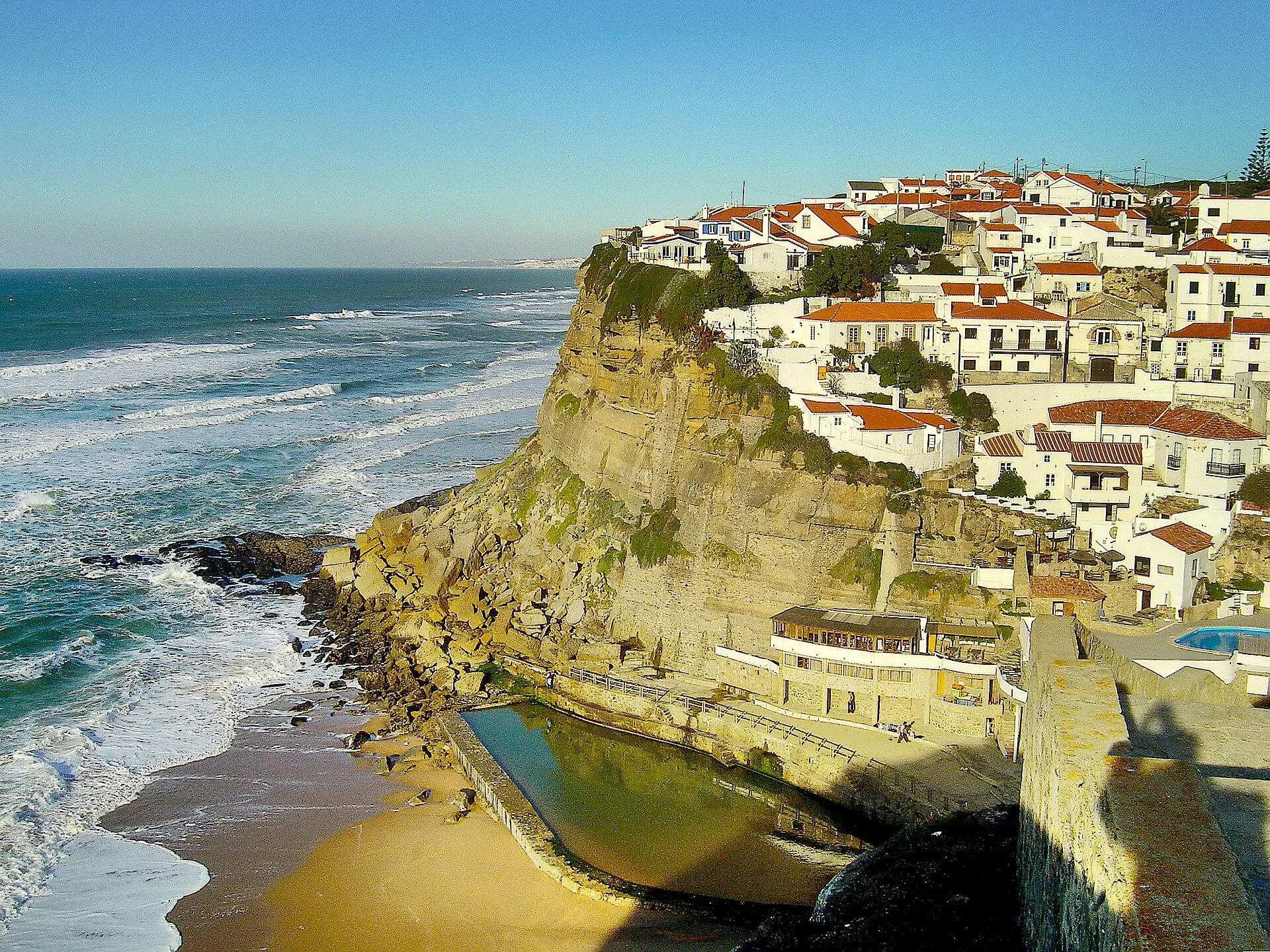
Azenhas do Mar
A village of 451 people on a cliff above the Atlantic, 30 km from Lisbon, with a rock pool at the bottom that fills when the tide goes out. Free, small, and busier at the railing than anywhere else on this coast.
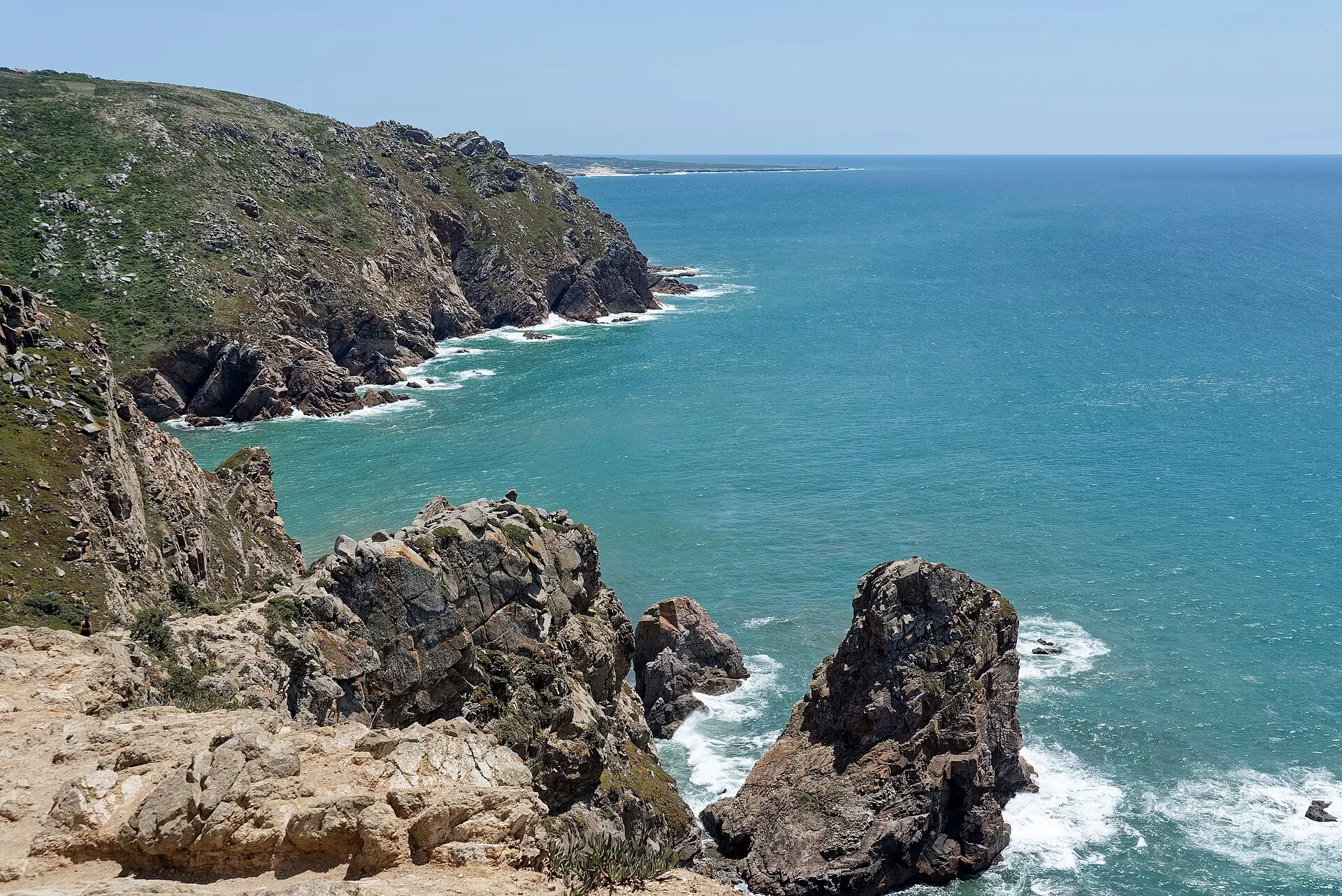
Cabo da Roca
The point where mainland Europe stops: 140 metres of cliff, a stone cross with a line of Camões on it, and a lighthouse working since 1772. Free, always open, and windier than you are dressed for.
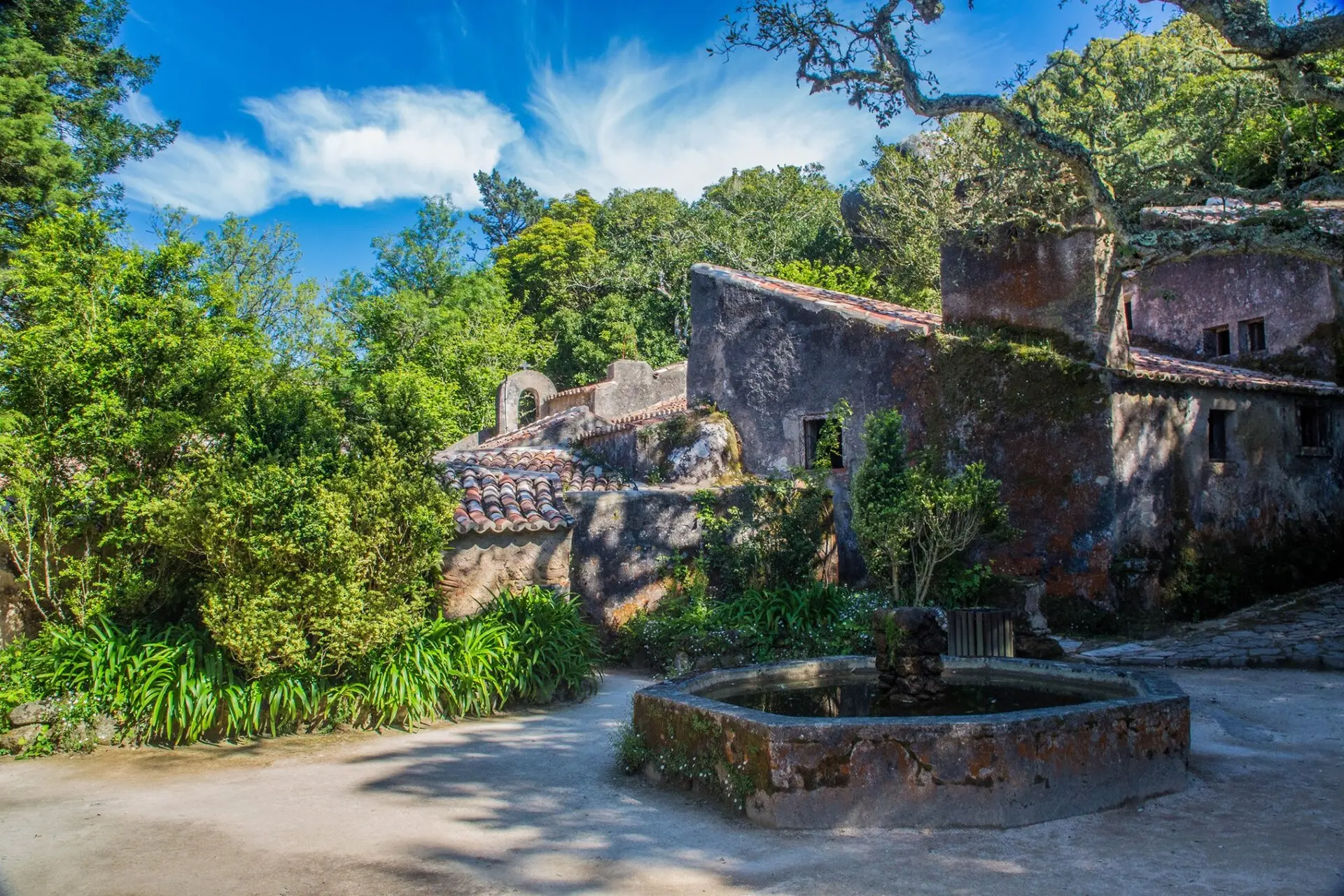
Convento dos Capuchos
A convent of eight friars built into granite boulders in 1560, with cork on the ceilings and doors you have to stoop through. The hardest Sintra monument to reach and the one people remember longest.
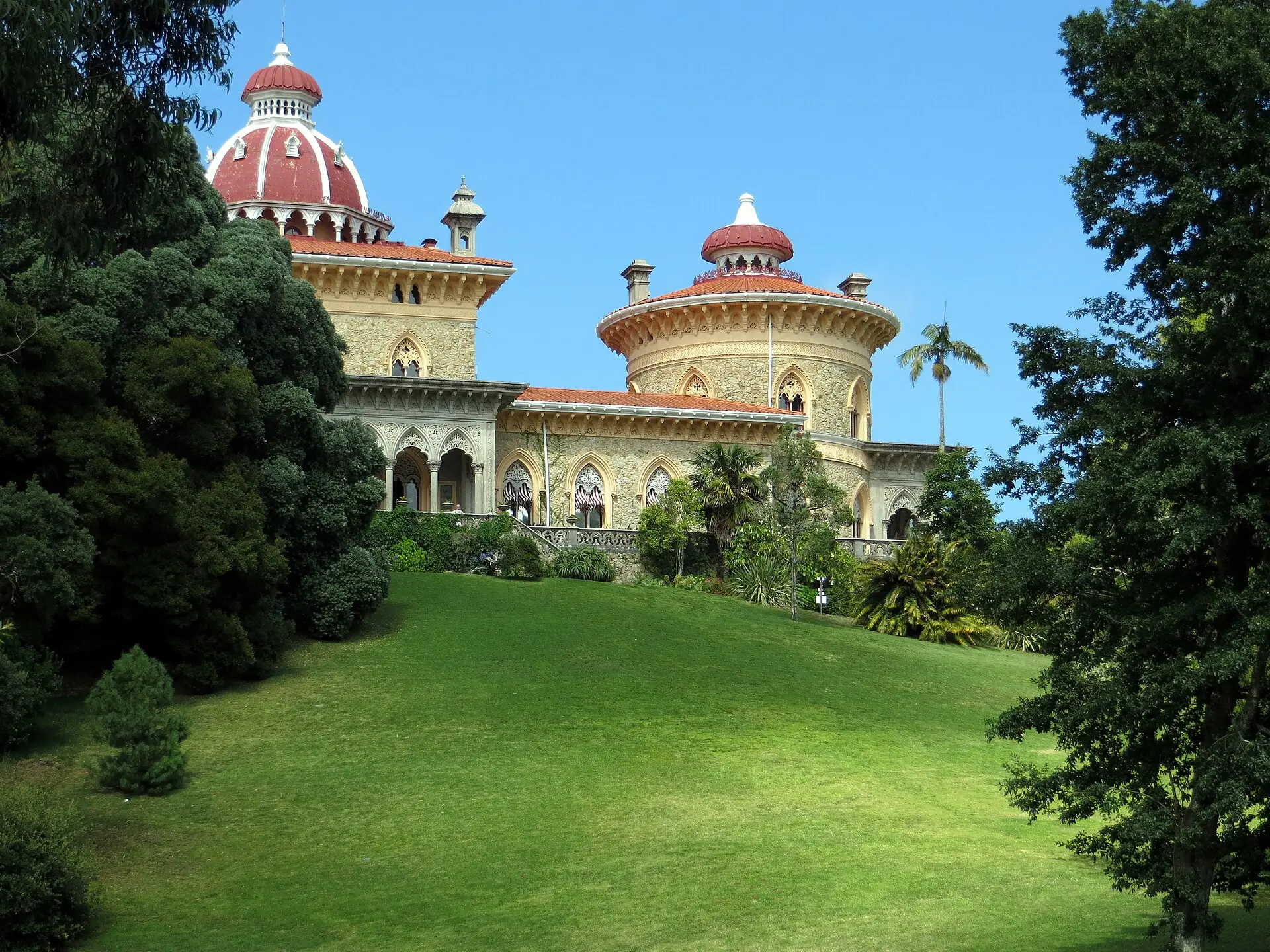
Monserrate
Thirty three hectares of botanical garden with a palace in the middle of it, at €12 for both. Our pick for a quiet garden visit, and the one where the garden matters more than the building.
Moorish Castle
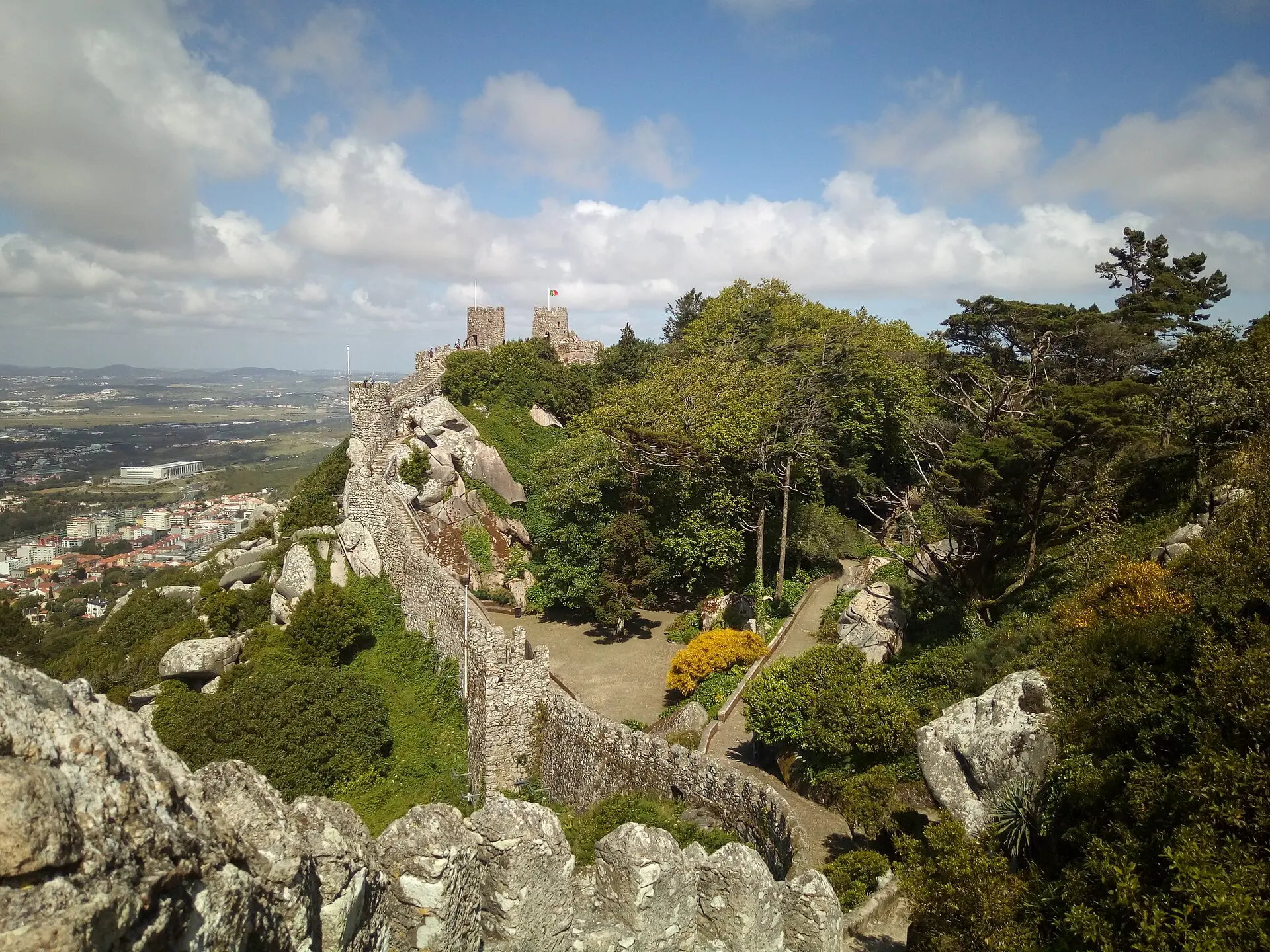
A 10th-century wall that runs along the ridge above the town, with two towers you can climb and our pick for the view in Sintra. Cheaper than Pena, emptier than Regaleira, and the one that closes when the wind gets up.
Pena Palace
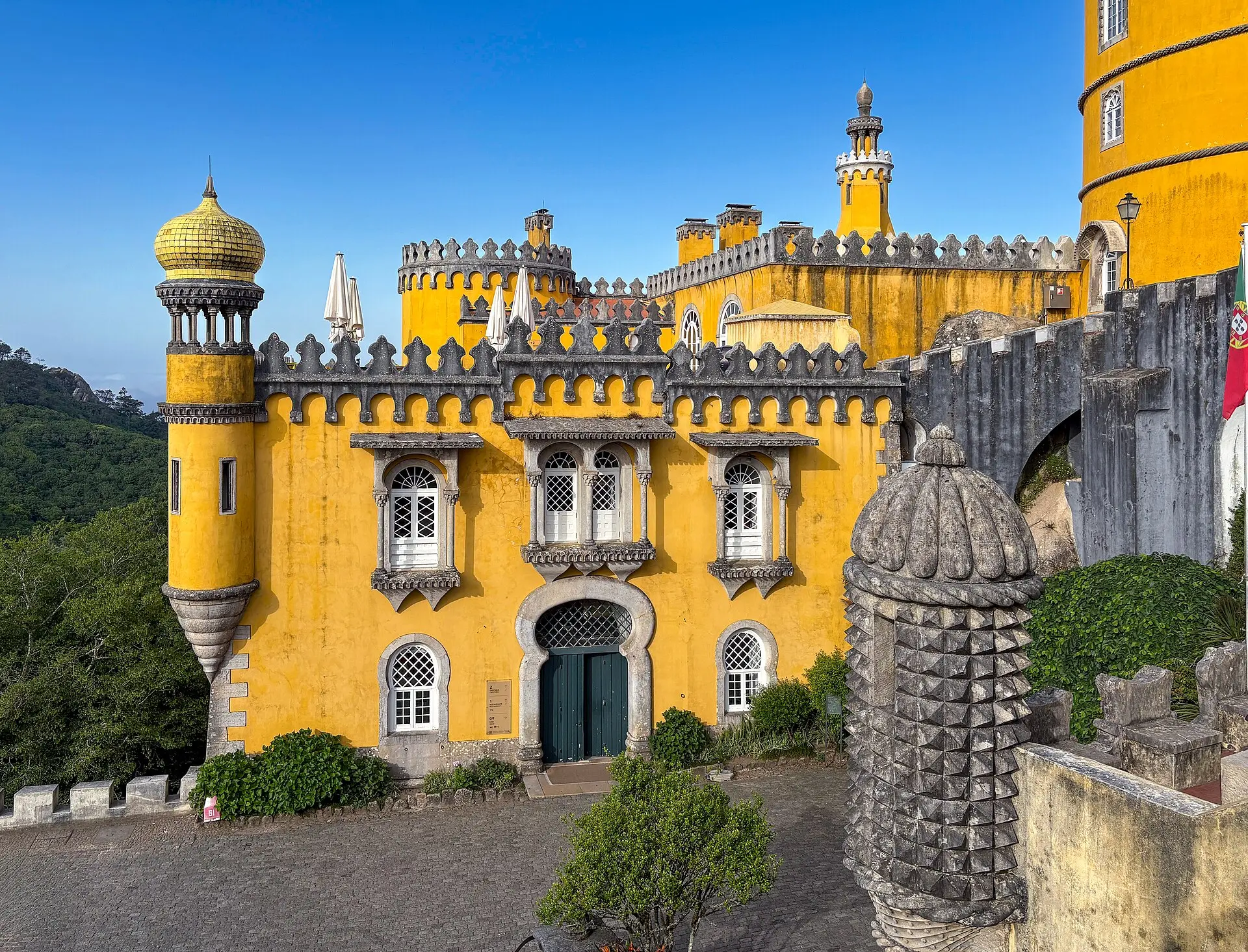
The yellow and red palace on the top of the Sintra hills, built by a German prince in the 1840s on the ruins of a monastery. What it costs, when it opens, and how to see it without the queue.
Quinta da Regaleira
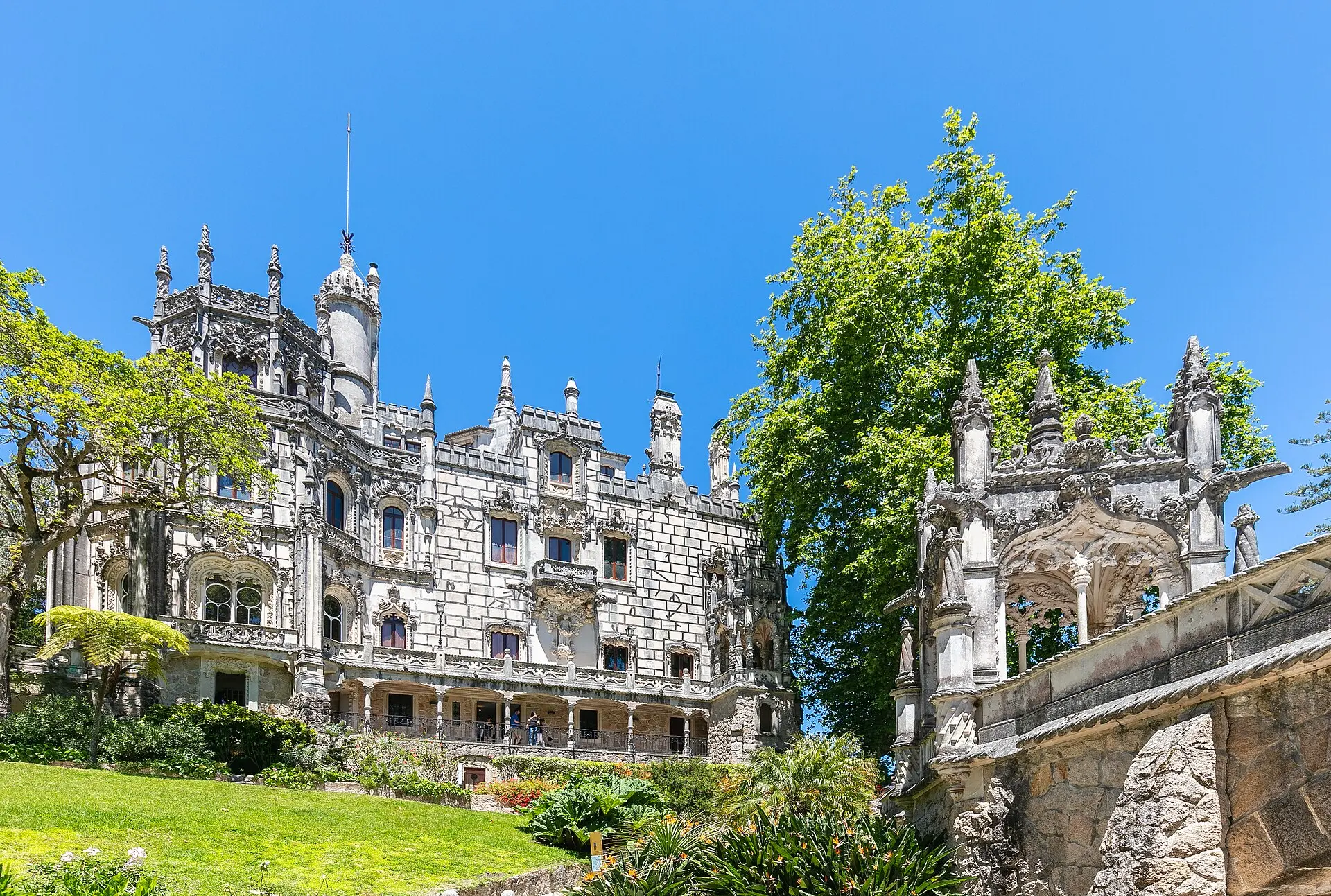
A palace, a chapel and a garden full of tunnels, built between 1904 and 1910 by a millionaire with a taste for symbols. The spiral well everyone photographs is here. What it costs, when it opens, and how to do it in two hours.
Sintra National Palace
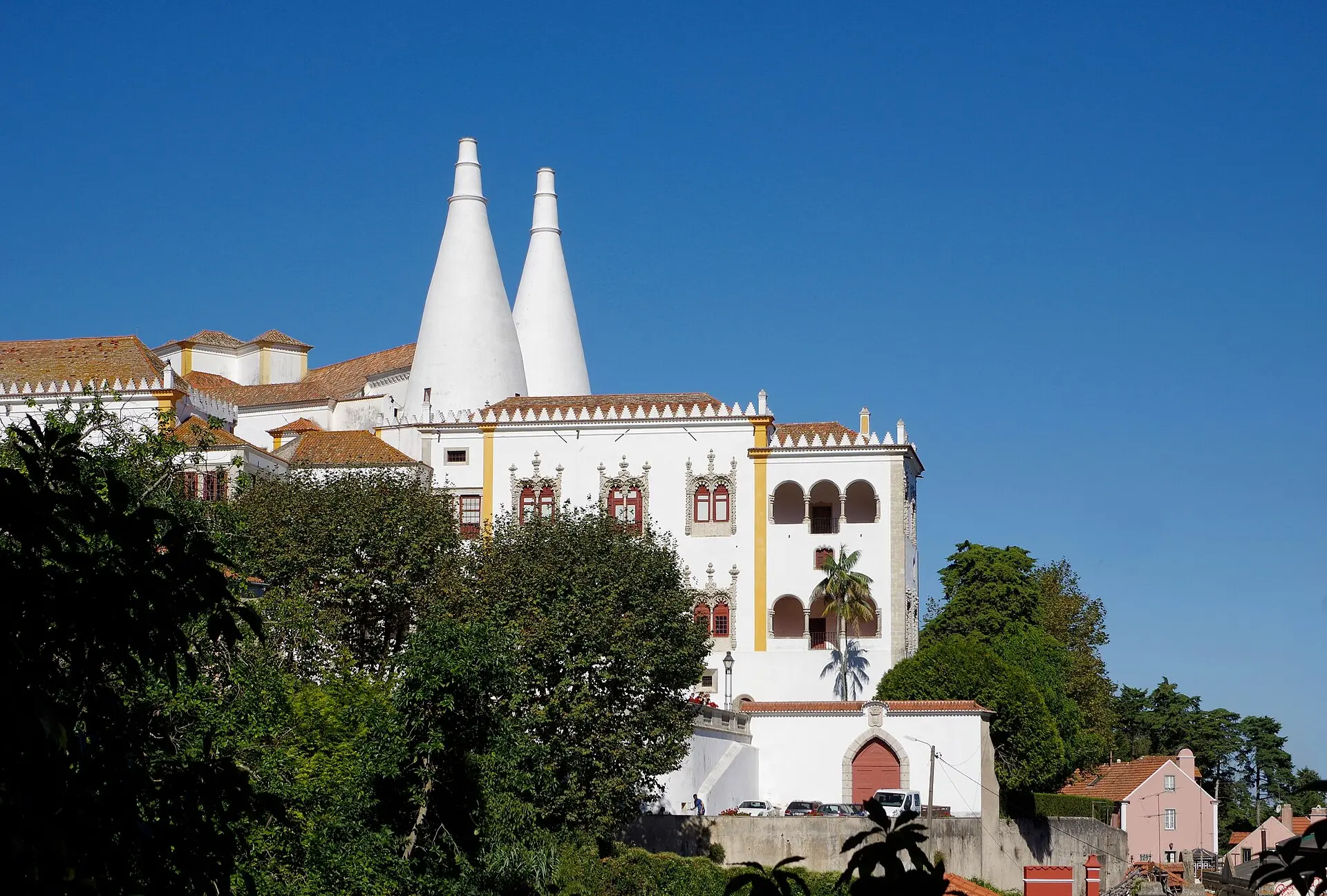
The two white cones you see from every street in Sintra are chimneys, and the kitchens under them are the best room in the building. The oldest royal palace left in Portugal, in the middle of town, at €13.
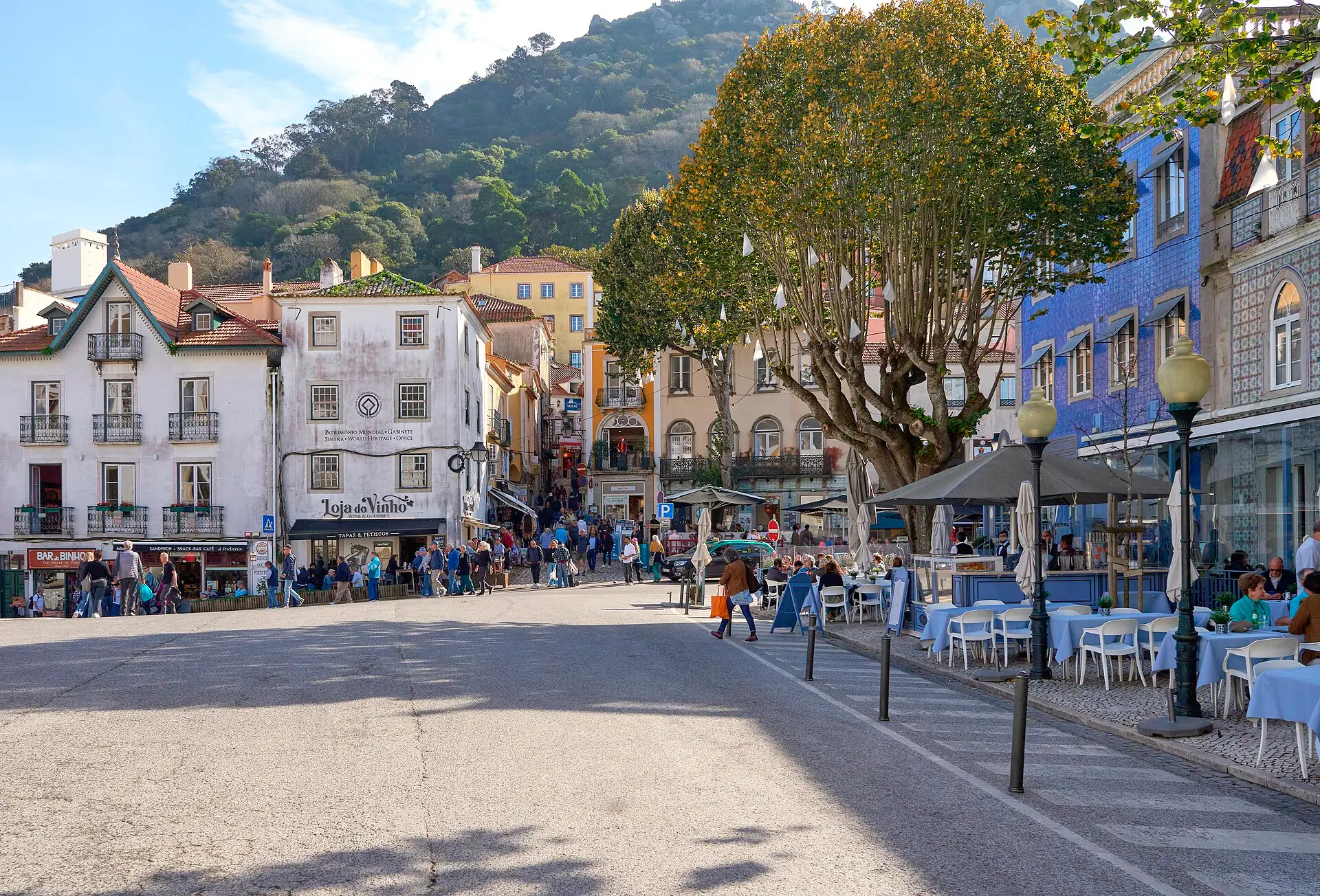
Sintra old town
A handful of sloping streets between the National Palace and the hill, with the best free walk in Sintra running down into them. The part of town most people cross in fifteen minutes on their way to somewhere else.